
Powder coated vs anodised aluminium windows: appearance, exposure and writing a clear finish spec
Specify powder coating for exact architectural colours; use anodising for a natural metallic look. Always factor maintenance into the comparison. Under Dulux's powder-coating guide, minimum wash-down intervals drop to 6 months for medium sea-spray and 3 months for high sea-spray.
Match the finish to visual goals and site repair limits
| Requirement | Choose | Trade-off |
|---|---|---|
| Match a named painted facade colour | Powder coating with a specified colour, texture and gloss | The organic film covers the metal appearance |
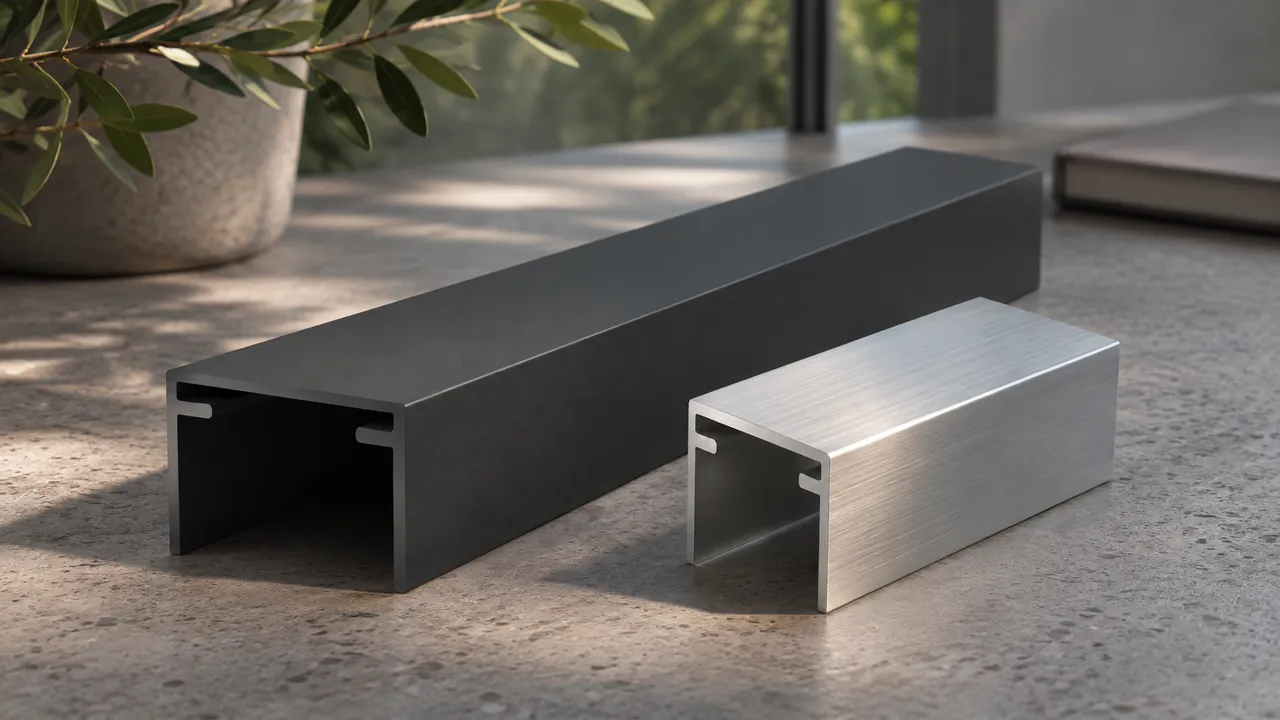
| Show a metallic aluminium surface | Anodising with an approved physical tone sample | Alloy and batch differences can affect appearance |
| Local cosmetic repair is important | Powder coating with an identified compatible repair system | A repaired patch can remain visible |
| Seafront installation | A named finish system suited to that exposure | Cleaning access and the finish manufacturer's care requirements become selection criteria |
How each process builds the surface
Dulux's published cleaning schedules run from 12 months in low-salt C2/C3 zones down to 3 months in C5 high sea spray. For upper floors or recessed frames, cost the cleaning access alongside the coating itself.
Powder coating bakes an organic film over pre-treated metal. Anodising electrochemically converts the aluminium surface into an oxide layer. Because they bond differently, they age, look, and repair differently on site. Dulux Powder Coatings
Approve colour on a physical sample
Breezway's standard charts show the typical split: broad architectural colour choices in powder, versus a tight set of metallic tones in anodised. Check the physical frame swatch directly against your facade cladding in natural light.
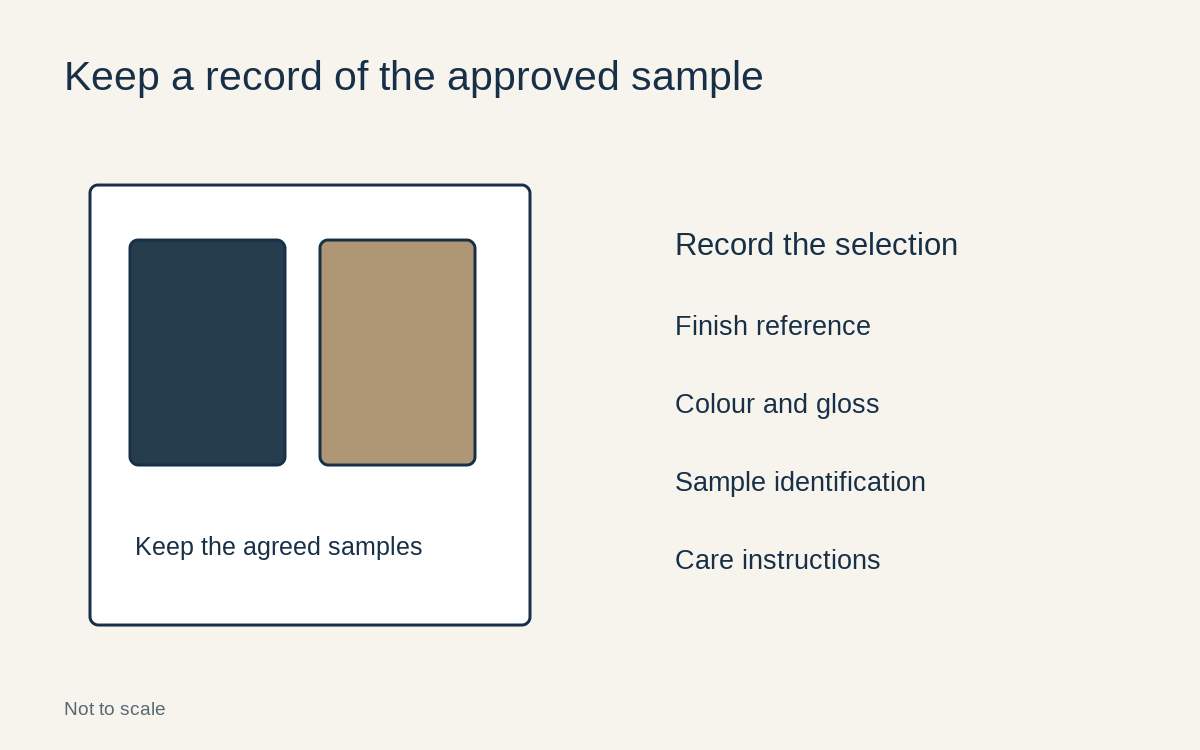
Where anodised profiles meet, check samples from the exact alloy and production lot. For powder-coated profiles, record the powder brand, colour code, gloss level, and texture directly on the signed control sample.
Specify the protective process
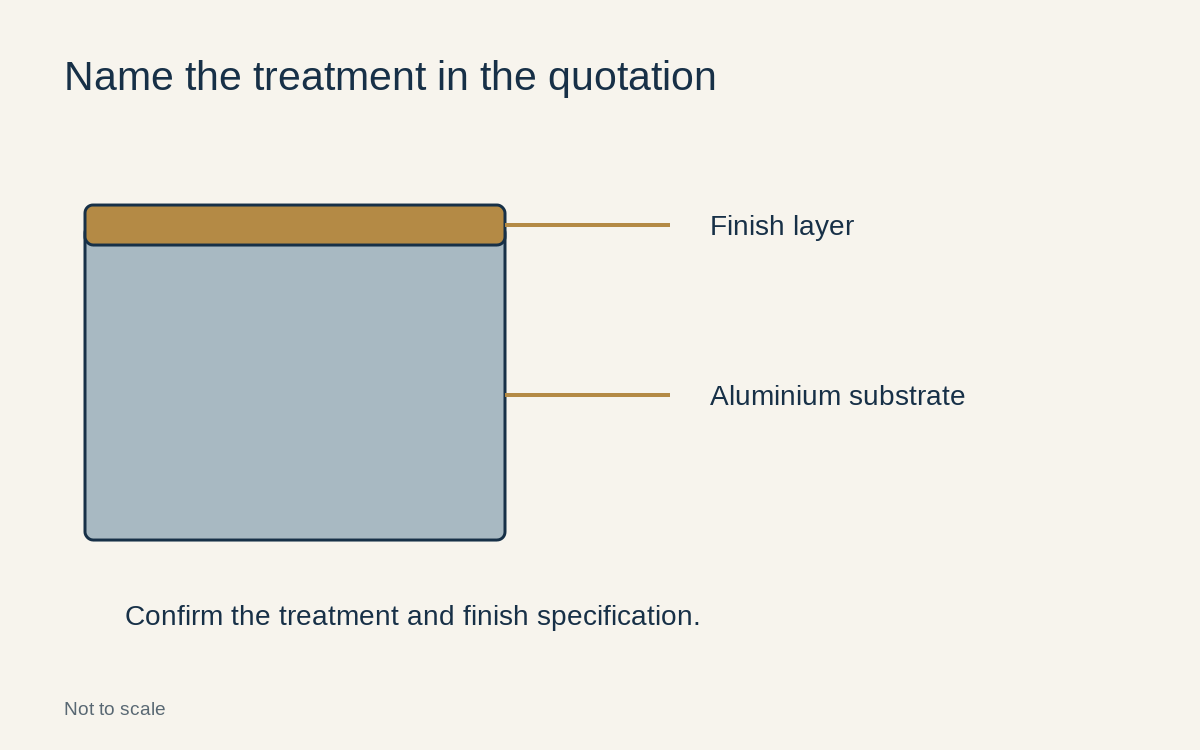
A complete powder spec names the pretreatment, primer (if required), topcoat line, and minimum dry-film thickness. An anodising spec needs the coating grade, micron thickness, and sealing method. Make sure the spec covers both rain-washed and sheltered faces on the building.
Windows set back under balconies trap salt because rain never washes them. Account for those unwashed zones when picking the finish grade and planning wash-down access.
Check raw machined edges and site touch-up rules
Saw cuts, drainage slots, and screw holes expose raw aluminium after coating. Check how these bare edges are sealed on your prototype sample, and make sure touch-up paint doesn't block the weep slots.
Minor scratches in powder coat can take a matched liquid touch-up, though the patch may show a slight shift in gloss or colour. Deep gouges through an anodised layer cannot be blended invisibly on site and usually mean swapping out the profile.