
What should export packing for aluminium windows and doors include?
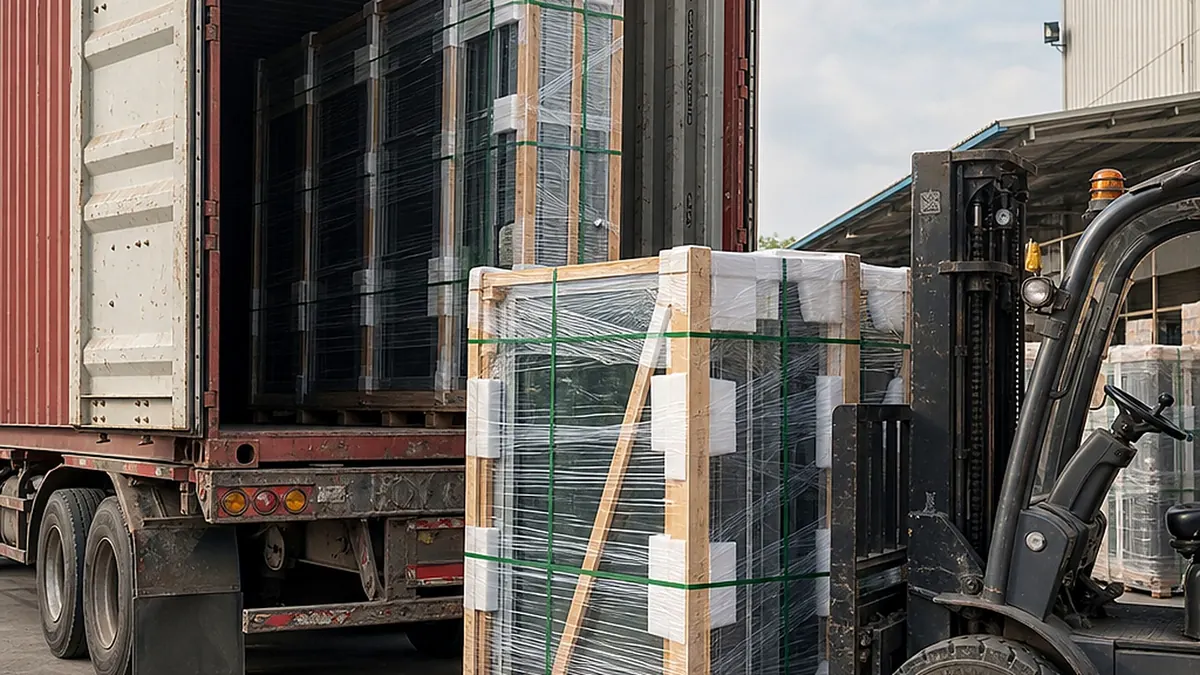
Export packing should protect finished surfaces, glass, corners, hardware and loose accessories while keeping every item identifiable at the destination. The packing plan should define protective film, foam or corner protection, crate or rack direction, glass separation, hardware and accessory boxes, opening marks, packing lists and loading records. Large panels and mixed window-door orders need weight, lifting, container sequence and site receiving access considered before the goods are finished. Labels should match the window schedule and installation references. Packing method varies by product, route and customer receiving plan, so the final scope should be confirmed in the quotation and production documents rather than assumed from a generic photo.
Buyer decision boundary
A generic checklist cannot determine protection or handling for every route or site; agree the final plan against order and transport conditions.
Evidence to request or retain
- Approved packing list.
- Protection photos.
- Crate or rack plan.
- Loading record.
- Receiving instructions.
Example input: Packing record
- Package ID
- Opening marks
- Protection
- Accessories
- Weight
- Photo
- Receiving note
What this guide does not confirm
Not evidence of undamaged arrival, carrier acceptance or insurance cover.
Export packing control points
| Control point | Record | Purpose |
|---|---|---|
| Item identity | Opening mark and packing list | Connects packages to drawings |
| Protection | Film, foam, corners and crate method | Reduces finish and glass damage |
| Loading | Sequence, photos and accessory locations | Supports receiving and installation |
Which surfaces and components require protection?
Aluminium windows and doors are finished products with glass, powder coated surfaces, hardware and accessories. If the packing is weak, the buyer may receive frames that look fine on the quotation sheet but arrive scratched, mixed up or difficult to identify.
Before shipment, ask how frames are separated, how glass corners are protected, whether crates are strong enough for the panel size and how accessories are packed.
How should labels match the window schedule?
Match each item label to the opening mark on the approved window schedule. The packing list should connect that mark to a crate number, quantity, room or floor, and the relevant size or system type. Use the same identifiers on the drawings, labels and accessory bags.
For repeated openings, agree whether to group crates by floor or building zone. Send the packing list to the receiving team before dispatch so they can find the items they need without opening every crate.
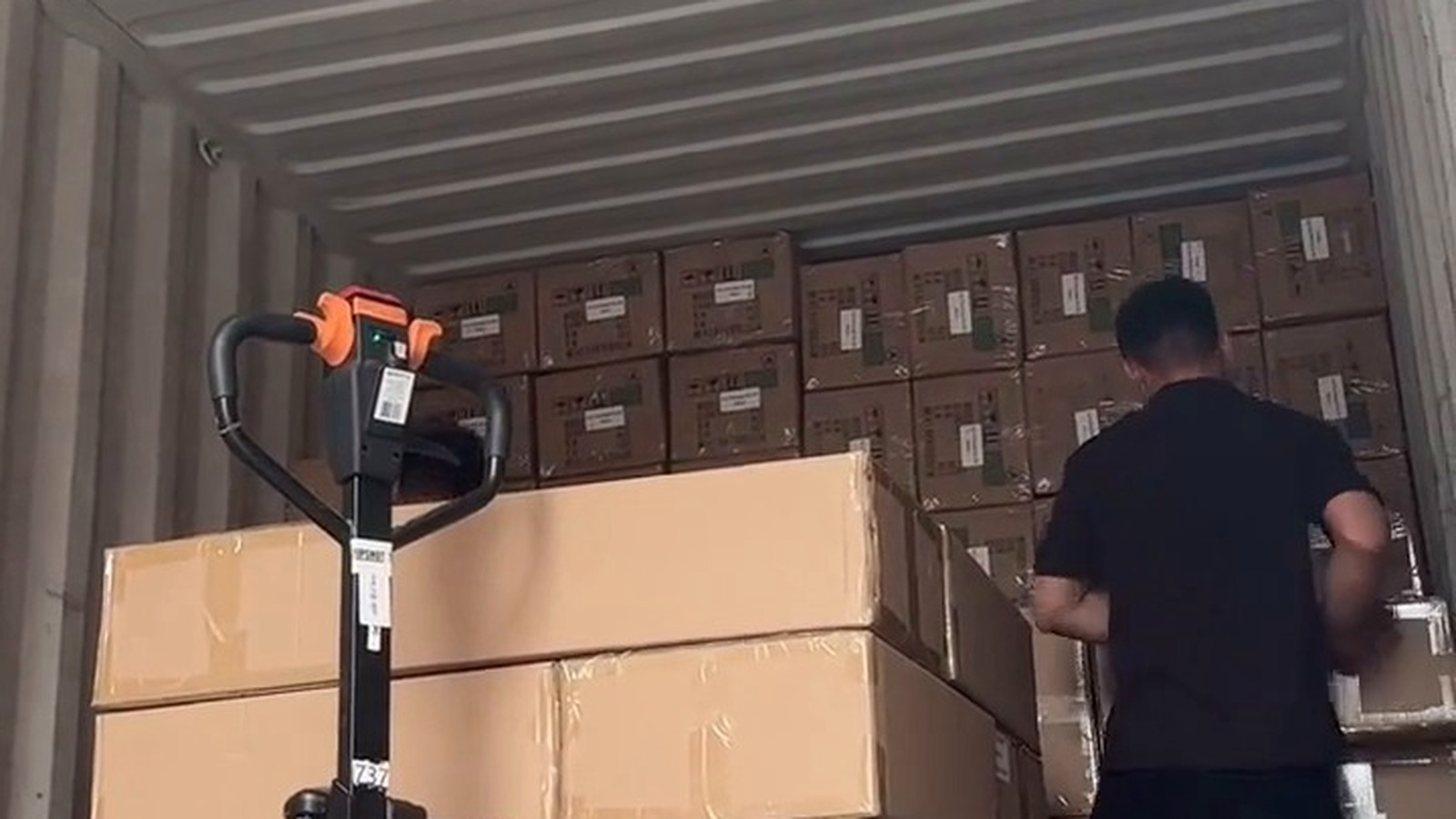
Ask for readable package labels that match the packing list and window schedule. A loading photo alone does not identify what is inside each box.
How should hardware, screens and accessories be packed?
Handles, locks, rollers, screws, screens, drainage caps, restrictors and installation accessories can be lost or confused if they are packed without a system. The packing list should show what is included and where each accessory package is placed.
For site work, by-opening or by-zone packing is often easier to manage than one central accessory box with no clear relationship to the window schedule.
Which loading records help the receiving team?
Request photos while the protection is still visible: separated frames, glass corners, surface wrapping and accessory bags. Then request the closed crates with readable labels and a wider view of the container loading sequence. Keep crate numbers visible so the receiving team can match each photo to the packing list.
A closed-crate photo cannot show the protection inside. Agree on both sets of photos before packing starts. At receipt, compare the crate count and labels with the list, and photograph any visible damage before unpacking.
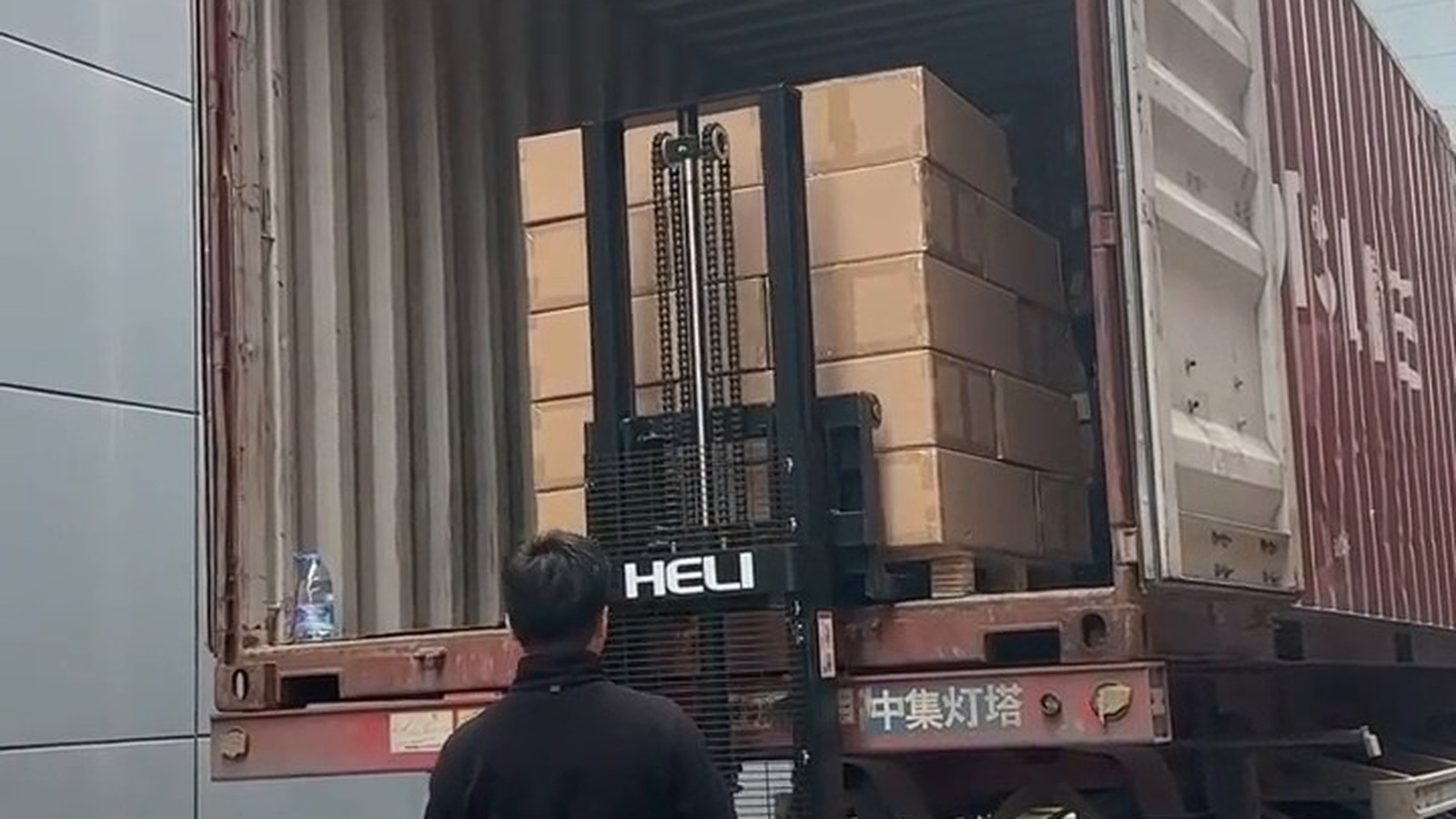
Crate size and pallet arrangement should account for container space, unloading equipment and site sequence.
How should packing match the receiving plan?
Packing should match the delivery term and receiving plan. Warehouse delivery, port pickup and direct-to-site delivery can require different handling. If the goods will be moved several times after arrival, crate design and label quality become more important.
Tell the supplier whether goods will be stored, opened immediately, moved by forklift, unloaded by hand or sent to multiple sites.
Which packing items belong in the quotation?
Compare the packing lines in each quotation: crate material, corner protection, glass separation, labels, accessory packing, loading photos and the packing list. Ask suppliers to price any missing item separately.
Confirm who will unload the shipment and which handling equipment will be available. The crate arrangement and opening sequence should let that team identify the windows, find their hardware and move the panels to the right location.
Which packed dimensions, weights and CBM are needed for a freight enquiry?
For a window shipping enquiry, request the external length, width and height of each crate, its gross weight and the total package count. CBM means cubic metres: multiply the three external dimensions in metres for each crate, then add the package volumes. Do not use the window opening area as the shipment volume.
Ask whether the dimensions are estimates or final packed measurements, and whether the crates can be stacked. Send these details with the pickup and delivery locations to the freight forwarder. CBM alone does not establish a shipping price or prove that the crates fit a container; the forwarder also needs the package dimensions, weights and handling restrictions.
Let YULUX review your drawings before pricing.
Send us your window schedule, floor plans or photos. We review opening sizes, system direction, glass, hardware, finish and packing scope before quoting.