
Coastal Aluminium Window Maintenance: Cleaning, Drainage, Hardware, and Finishes
Wash salt off coated frames, tracks, and hardware before it builds up in sheltered pockets. Dulux powder-coating guidance sets minimum wash intervals at 6 months for C4 medium sea spray and 3 months for C5 high sea spray. Follow the coating supplier's schedule, and wash earlier if you see salt crusting.
Match maintenance to what you see on site
| Observed condition | Action | Result to check |
|---|---|---|
| Loose salt or sand on the finish | Wet the deposits, wash gently and rinse with fresh water | Clean finish without dry grit dragged across it |
| Water remains in the sill track | Clear accessible outlets with a soft brush and low-flow rinse | Water reaches the exterior outlet |
| Roller drags or hinge binds after cleaning | Inspect the operating part using its maintenance instructions | Repair or replace the worn part and restore operation |
| Coating breaks at a screw or cut edge | Identify the finish-compatible repair treatment | Protect the exposed edge while keeping drainage open |
Set wash intervals by elevation
Dulux specifies 12 months for low-salt C2/C3 zones and 3 months for C5 high sea spray. Soffits and recessed balconies often hold salt longer because rain never reaches them.
Break the schedule down into ocean-facing frames, recessed tracks, and sheltered inland elevations. Make sure upper-floor units have safe access to sills and hardware. Dulux Powder Coatings
Wash grit away from the coating
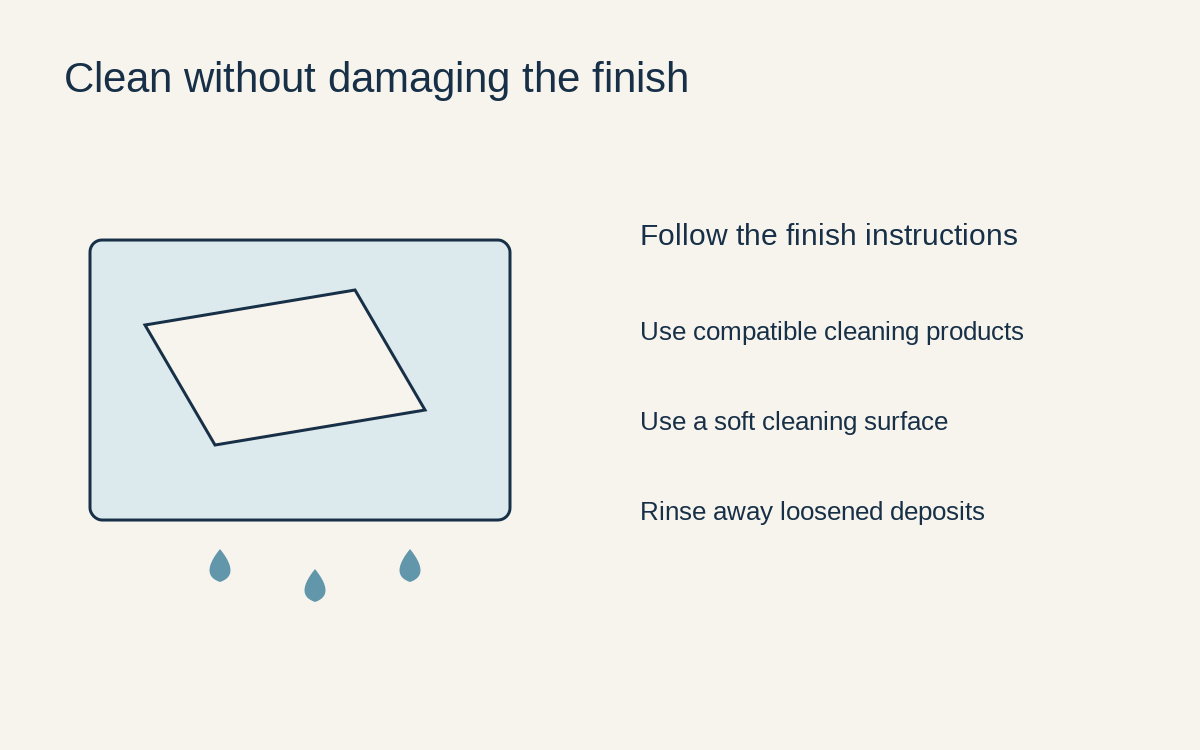
Soak loose grit first, then wipe with a soft cloth or non-abrasive brush using diluted mild detergent. Rinse with clean water so no detergent dries on the frame.
Pay attention to handles, sash undersides, and track corners. Use the coating supplier's approved cleaner on stubborn spots. Never drag dry sand across the frame or blast high-pressure water into gaskets and mitre joints. Dulux Powder Coatings
Keep sill drainage paths clear
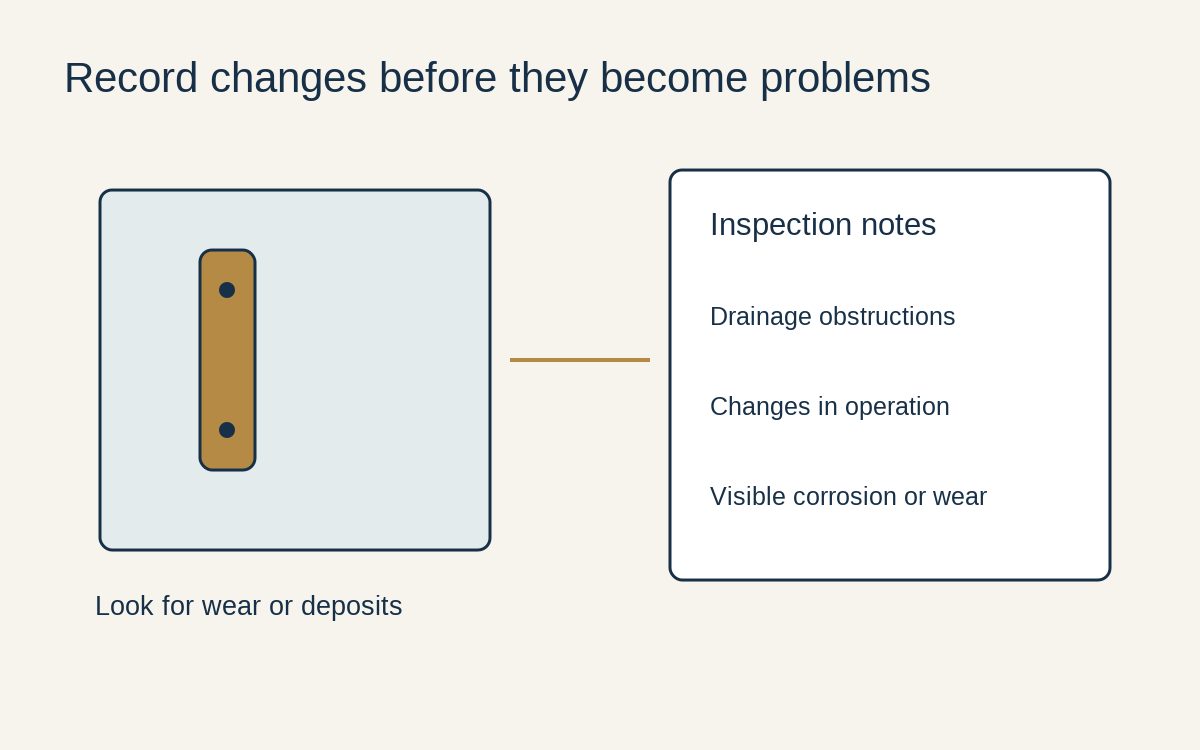
Follow the sub-sill or track channel out to the exterior weep holes. Brush or gently flush out sand, bugs, and debris. Do not pry out gaskets, weep hoods, or internal baffles.
Check weep slots after storms and right after tilers or caulkers work near the sill. A bead of perimeter sealant across a weep slot will trap water around the bottom rail and rollers.
Service hardware per the manufacturer's sheet
Check friction stays, locks, rollers, and exposed screws for binding, play, or surface rust. Confirm the exact part number and finish grade before ordering spares.
Apply only the lubricant specified by the hardware maker at the marked points. Keep heavy grease out of drainage tracks, and don't seal over adjustment screws or cover plates.
Repair the damaged finish locally
For chips and cut ends, confirm whether the base finish is powder coat or anodising before picking a touch-up system. Log bare metal, blistering, and hardware staining separately so coating repairs aren't mixed up with hardware replacement quotes.
Tie your ongoing wash schedule to the documented finish system. A colour code alone won't tell you the pretreatment, film thickness, or approved touch-up chemistry.