
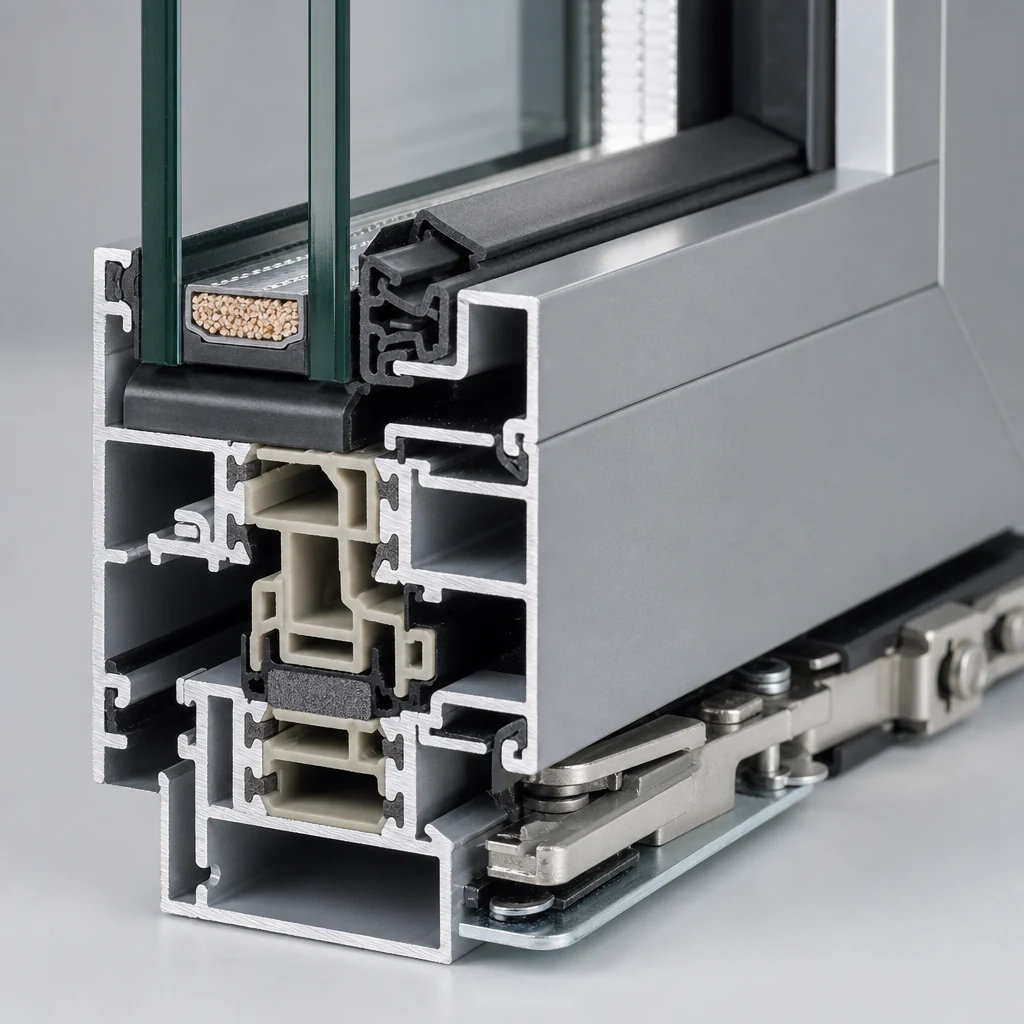
Does condensation mean a double-glazed window has failed?
The location of the moisture matters. Room-side droplets, outdoor morning dew and mist within a sealed glass unit call for different checks. First identify the surface from a safe position, then record when it appears and whether it clears. Persistent mist between the panes of a sealed unit needs supplier or glazing-professional review. A photograph alone does not establish the cause, the repair scope or warranty responsibility.
Buyer decision boundary
This observation guide helps prepare an investigation; it cannot diagnose a defect or specify a repair from photographs.
Evidence to request or retain
- Opening marks and order or drawing revision.
- Wide and close photos showing the affected surface.
- Timing, weather and measured indoor conditions when available.
- Installed frame and glazing details.
Example input: Condensation enquiry record
- Opening mark
- Surface affected
- Date and time
- Room use
- Measured conditions, if available
- Photo references
- Installed glass reference
- Reviewer and next step
What this guide does not confirm
Cause, replacement dimensions, warranty eligibility and project-specific condensation performance require confirmation.
Condensation observation log
| Observation | Record | Next discussion |
|---|---|---|
| Room-side surface | Room conditions, timing and blind position | Moisture, ventilation and surface temperature |
| Outside surface | Weather, time and whether it clears | Exterior dew versus other visible marks |
| Suspected sealed cavity | Order reference, glass label and photos over time | Glazing inspection and replacement scope |
| Water associated with rain | Rain timing and surrounding staining | Site water-entry investigation |
Locate the moisture before reporting a fault
From indoors, check whether the visible moisture is on the surface you can safely reach. Record whether the outside surface is affected too; do not lean out or remove glazing to investigate. A short video can show which surface wipes clear. If neither accessible surface clears the mark, describe it as suspected moisture inside the unit until a professional confirms it.
Distinguish a factory-sealed insulated glass unit from a separate secondary-glazing panel or storm window. Those assemblies have different cavities and seals. Include a wide photo showing the whole opening and a close photo of the affected area.
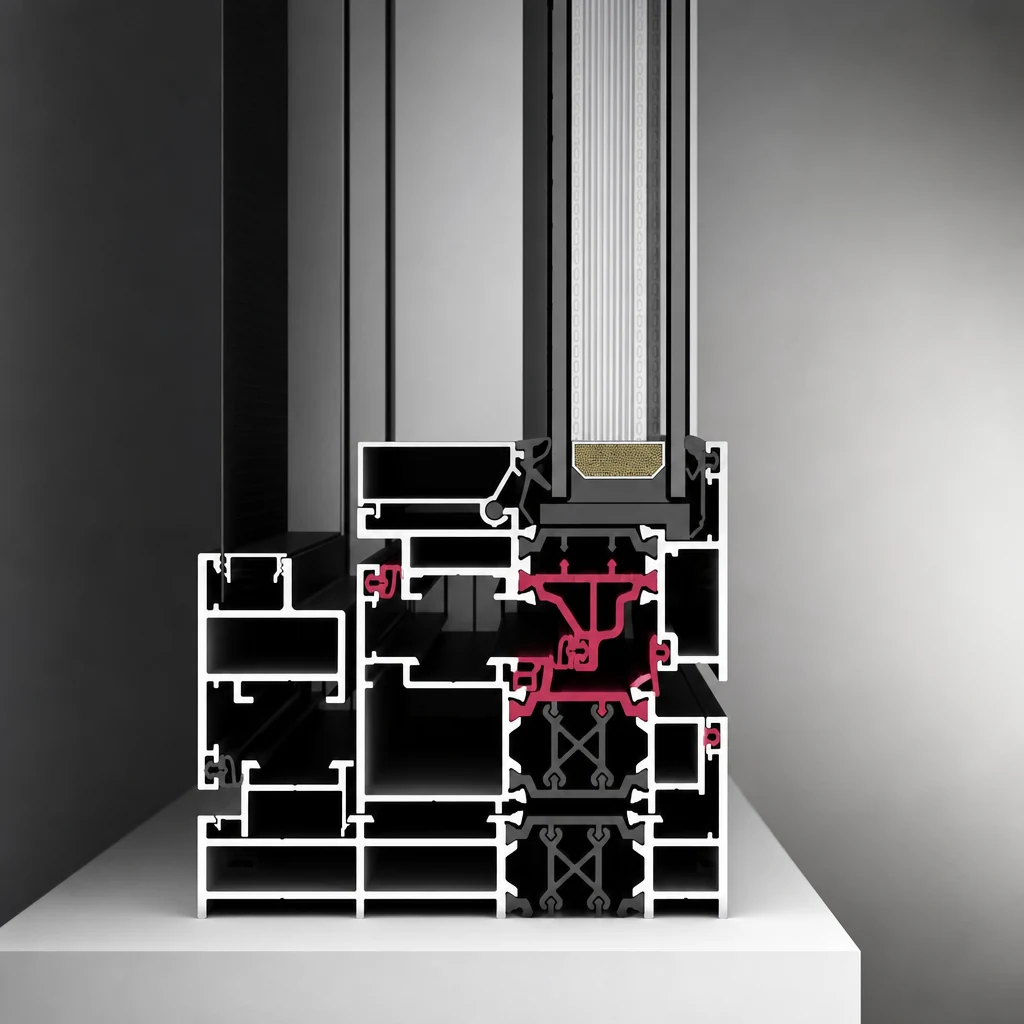
Use the frame section to identify which surfaces and glass edges are being discussed; the illustration is not a condensation test.
Record indoor conditions alongside the window
Your Home explains condensation as moisture meeting a sufficiently cool surface, with risk influenced by climate, construction and use. Cooking, showers and indoor clothes drying can add moisture. Record those activities and the room's ventilation arrangements rather than assuming that the window is the only cause.
Note the time, heating or cooling use, blind position and any measured room temperature and relative humidity. Label readings as measurements only when a device was used. A useful comparison is an affected opening and an unaffected opening in the same home on the same morning.
Separate outdoor dew from moisture within the sealed unit
Natural Resources Canada notes that exterior condensation can appear around sunrise after cool, calm, humid conditions, including on efficient glazing. Its guidance also identifies moisture between sealed panes as a possible broken-seal condition requiring insulated-glass-unit replacement. These observations are different from a guarantee that a particular window is sound or defective.
For suspected between-pane mist, send the glass label or order reference, opening mark, approximate installation date and photos over time. Ask the supplier what inspection is needed before ordering replacement glass. Do not specify a new unit from the visible pane size alone.

Ask for the installed glass build-up and order reference when discussing suspected moisture within a sealed unit.
Ask for the complete frame and glass specification
For a new project, request the proposed frame system, glass build-up, spacer and the basis of any thermal-performance figures. Discuss the window-wall interface and ventilation with the local project team. A more insulating glass option does not establish that every frame edge or surrounding surface will remain dry under all conditions.
For an existing project, keep the installed configuration and site observations together. Ask separately whether the next step is room-moisture review, installation inspection or sealed-unit assessment. Record who will investigate and the evidence they need.
Send a concise investigation note
Use this format: opening W03, bedroom, first-floor east elevation; moisture seen on the room-side surface before heating; wide and close photos attached; measured humidity supplied if available; other openings affected listed; drawing or order revision attached. This is an example of information structure, not a reported YULUX customer case.
If there is also water staining after rain, describe that separately and ask for a site inspection. Send the information through project support or your original supplier so the response can address the actual installation and order.
Let YULUX review your drawings before pricing.
Send us your window schedule, floor plans or photos. We review opening sizes, system direction, glass, hardware, finish and packing scope before quoting.