
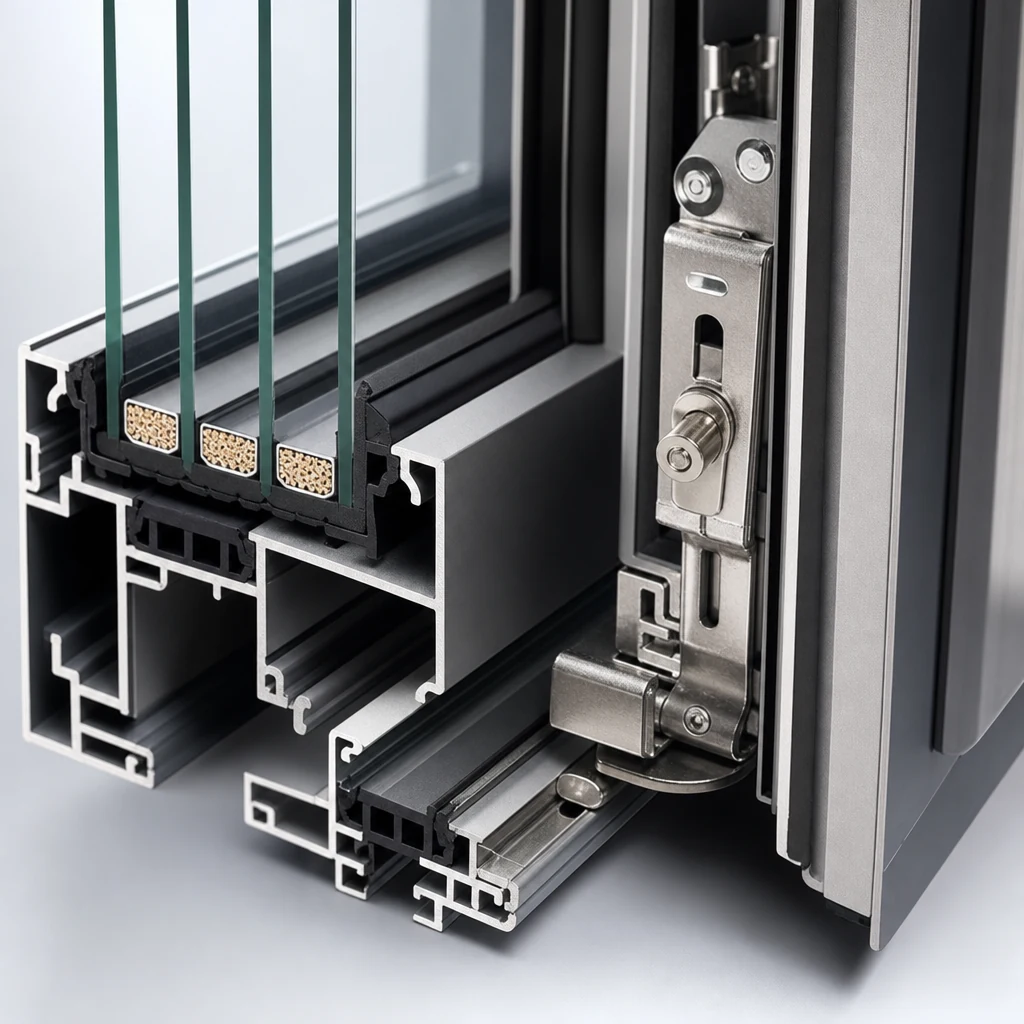
Should a project specify double or triple glazing?
Compare the proposed complete window against the project's thermal, solar-gain, daylight and practical requirements. Pane count alone does not select the right assembly. Ask for two clearly identified options on the same opening schedule, with the frame, glass, performance basis, operating limits and price scope stated. Keep a triple-glazed option provisional until its system availability and suitability for the actual opening have been confirmed.
Buyer decision boundary
Select an assembly only after the project requirements and proposed system have been checked together.
Evidence to request or retain
- Same opening schedule for both options.
- Identified frame and glass build-up.
- Performance evidence with value basis and units.
- Written option differences, exclusions and unresolved items.
Example input: Alternative-glazing request
- Project location
- Drawing revision
- Opening group
- Required target and source
- Option A build-up
- Option B build-up
- Value basis
- Weight and hardware review
- Scope difference
What this guide does not confirm
This guide does not establish YULUX triple-glazing availability, certified performance, savings or local project approval.
Double and triple glazing comparison sheet
| Compare | Option A and option B must state | Decision owner |
|---|---|---|
| Thermal performance | Complete assembly, value basis and project target | Local designer or energy reviewer |
| Sunlight and daylight | SHGC, visible transmission, orientation and shading | Project design team |
| Frame and operation | Glass thickness, mass, hardware and size limits | Supplier and project reviewer |
| Commercial scope | Same revision, inclusions, exclusions and changes | Buyer and supplier |
Define the problem the glazing needs to solve
Write down the project location, room use, orientation, shading and the performance inputs provided by the local designer or assessor. A room with unwanted afternoon sun needs a different discussion from a room where winter heat loss is the main concern. Your Home explains that glazing selection works with the building's orientation and other passive-design features.
Mark required targets separately from preferences. For example, a documented whole-window target belongs in the mandatory column; a preference for clearer glass belongs in a discussion column until it has been checked against the project design.
Compare the glass build-up and the complete window
Double glazing uses two panes; triple glazing uses three, with cavities between them. The New Zealand industry guide describes the additional insulating layer in triple glazing. The U.S. Department of Energy explains that frames, coatings, gas fills, spacers and operation also influence window performance.
Request the exact build-up for option A and option B, together with the frame series and opening type. Label whether each quoted value describes the glass alone or the whole window. Do not compare an unnamed glass figure with a whole-window rating or treat the illustration on this page as a tested specification.
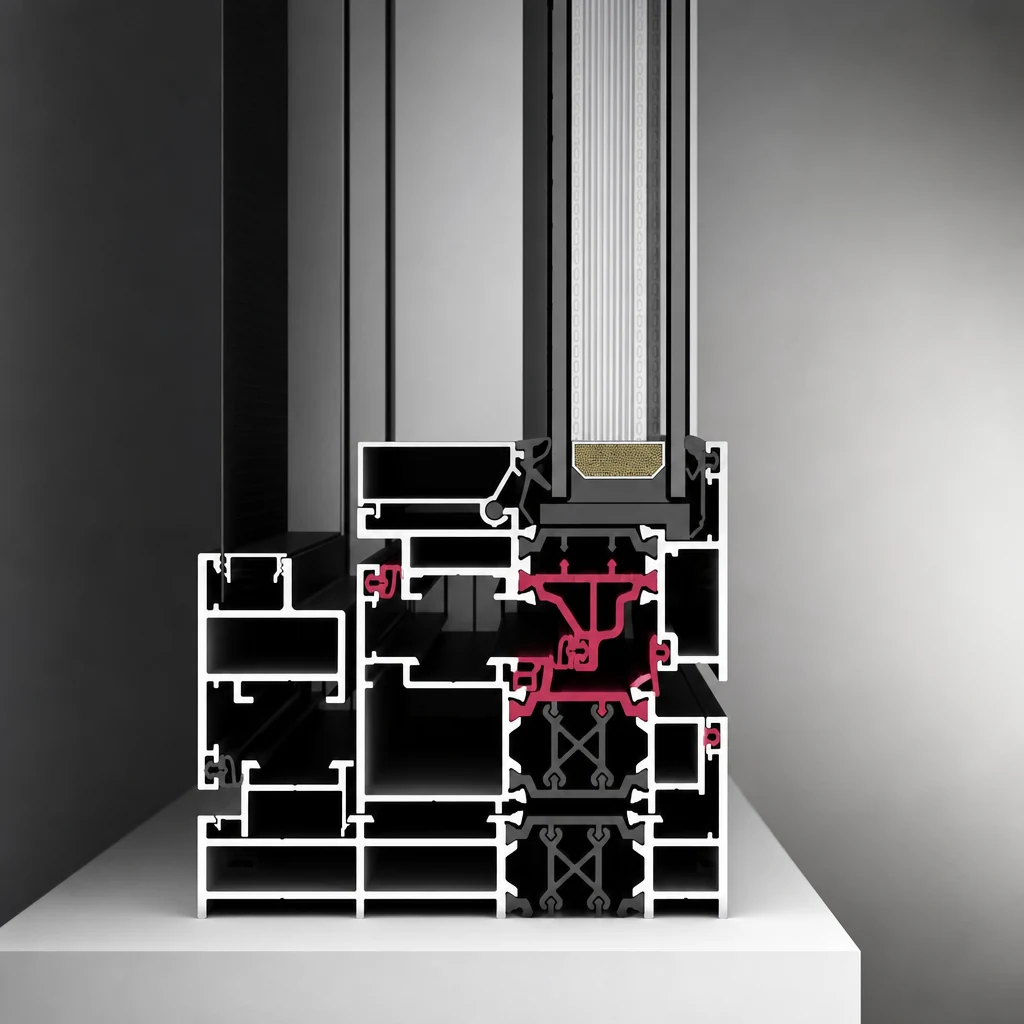
Compare the glass and frame together. A section illustration does not supply a tested whole-window value.
Keep heat transfer, sunlight and daylight separate
Your Home distinguishes whole-window U-value, solar heat gain coefficient and visible light transmission. A lower U-value indicates less conductive heat transfer; solar gain and daylight require their own project decisions. A statement such as 'triple glass is better' does not provide those inputs.
Use the existing U-value and SHGC guide for terminology, then return to the comparison table with the actual proposed values and their sources. Keep units, test or calculation basis, and configuration consistent. Ask the responsible local reviewer to resolve conflicting targets before selection.
Check whether the proposed opening can use the option
Have the supplier confirm glazing thickness, sash or panel mass, hardware capacity, operating configuration and size limits for each option. Ask whether the frame, reinforcement, opening area or appearance changes. These are questions for the proposed system, not performance claims established by pane count.
Also record handling, access and replacement-glass arrangements. A large fixed light and a regularly operated bedroom sash may need different reviews. If either option cannot yet be matched to a defined system, record it as pending instead of comparing its price as if it were ready to order.
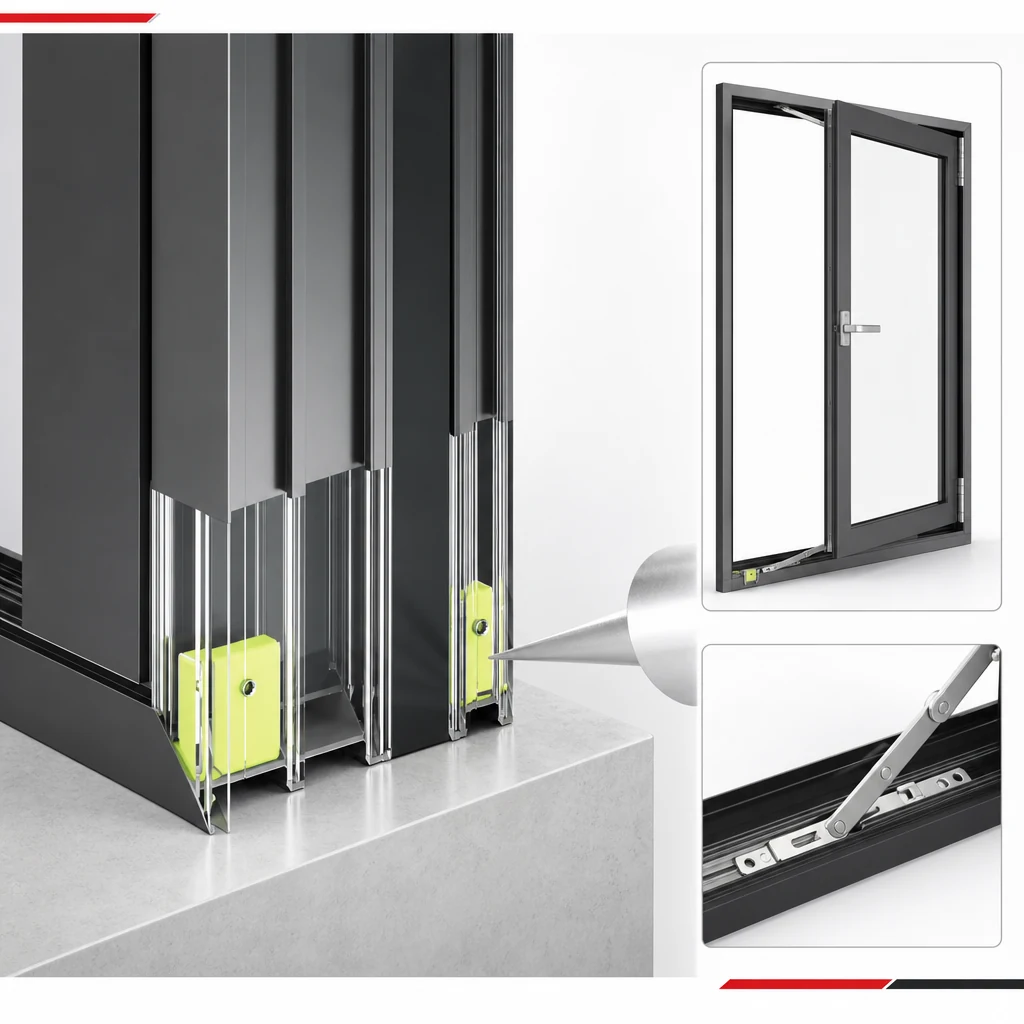
Ask for the operating hardware and permitted glass mass of the actual proposed sash, especially when comparing alternative glass build-ups.
Request a like-for-like alternative quotation
Send the same drawing revision and opening marks for both options. Ask for separate lines covering frame, glass, hardware, screens, finish, packing and delivery scope. Identify what changes between the alternatives and what stays included. Request any performance evidence needed by the project reviewer before approval.
For a YULUX enquiry, submit the project brief and ask which configurations can be reviewed for your openings. This guide does not establish that a particular triple-glazed assembly is available. Cost savings, acoustic performance and local acceptance need their own evidence rather than an assumed upgrade percentage.
Let YULUX review your drawings before pricing.
Send us your window schedule, floor plans or photos. We review opening sizes, system direction, glass, hardware, finish and packing scope before quoting.