
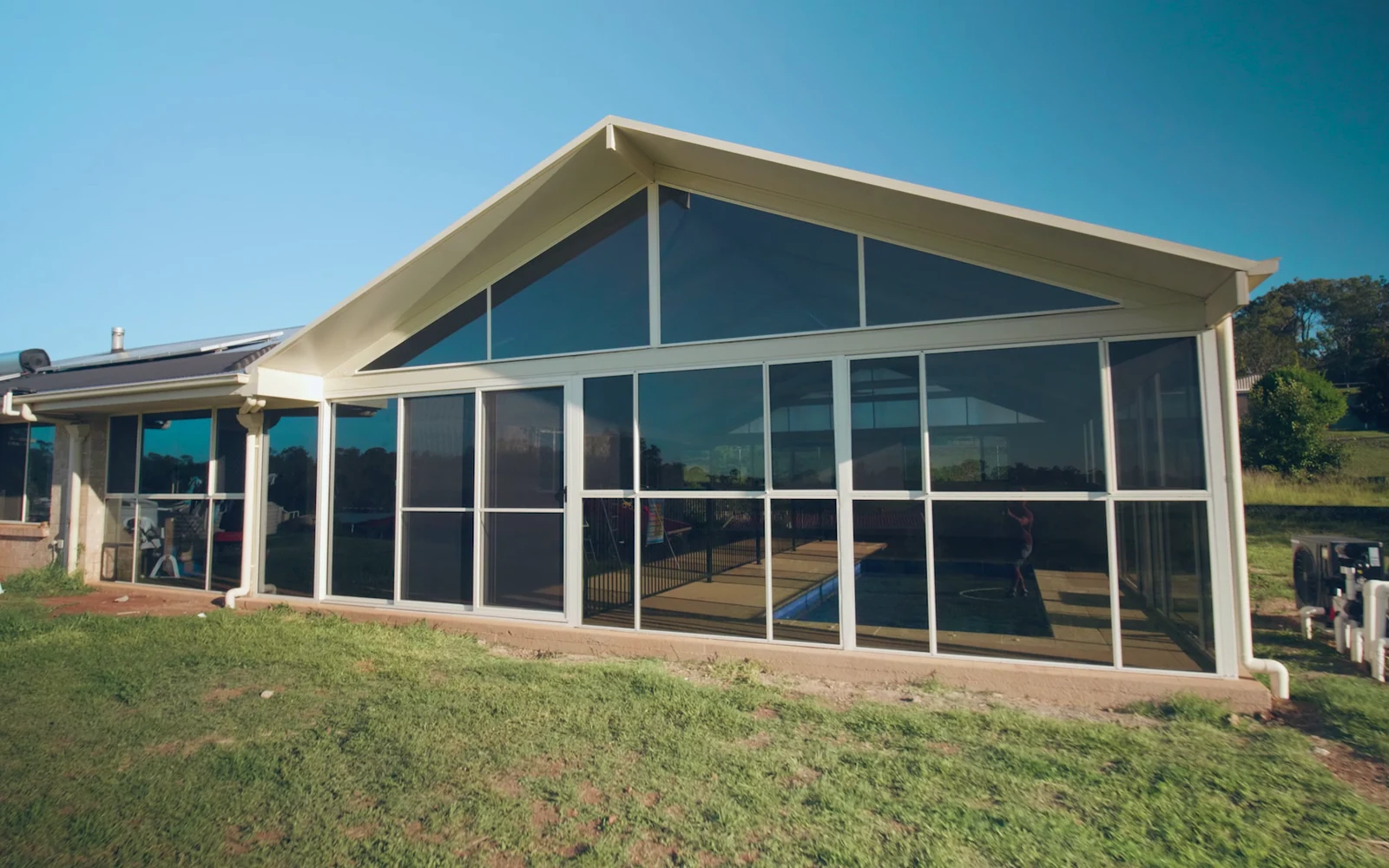
What should an Australian window schedule include before factory quotation review?
The schedule should identify each opening mark, width, height, quantity, level or room, opening type and handing where relevant. Add the project city, building type, exposure notes and any whole-window U-value, SHGC, WERS, NCC, glass safety or acoustic inputs supplied by the local project team. The factory also uses finish, screen, hardware, installation interface, packing and delivery assumptions to define a comparable quotation. Values and labels should be linked to a specific frame-and-glass configuration. Missing information is listed as an open question, giving the Australian designer, builder or energy assessor a clear schedule for completing the project review. The returned scope should keep unresolved items visible before supplier options are compared. Local verification remains necessary.
Buyer decision boundary
Stop comparison when dimensions, handing or performance inputs conflict; clarify with current drawings and Australian project professionals.
Evidence to request or retain
- Current revision.
- Opening marks and dimensions.
- Project performance inputs.
- Supplier return schedule.
Example input: Supplier return schedule
- Opening mark
- Buyer requirement
- Supplier proposal
- Evidence
- Exclusion
- Review status
What this guide does not confirm
Not WERS eligibility, NCC compliance, certification or approved shop drawings.
Window schedule fields for factory review
| Field group | Minimum entry | Review purpose |
|---|---|---|
| Opening identity | Mark, size, quantity and room/level | Prevents duplicate or missing openings |
| System direction | Opening type, handing and screens | Defines sash and hardware logic |
| Performance | Project-provided U-value, SHGC and glass notes | Connects quote options to local review inputs |
Which fields should every opening mark contain?
For an Australian project, the first useful document is usually not a catalogue screenshot. It is a window schedule or a marked-up drawing showing each opening, width, height, quantity, floor level, opening direction and whether the item is a fixed window, awning window, casement window, sliding door, lift-slide door or folding door.
If the project is still early, rough opening sizes are enough for a first review. If the builder already has a schedule, send it as a PDF or spreadsheet. The factory can then separate repeated sizes from special openings, identify large panels that may need stronger track or thicker glass, and avoid pricing every item as a generic window.
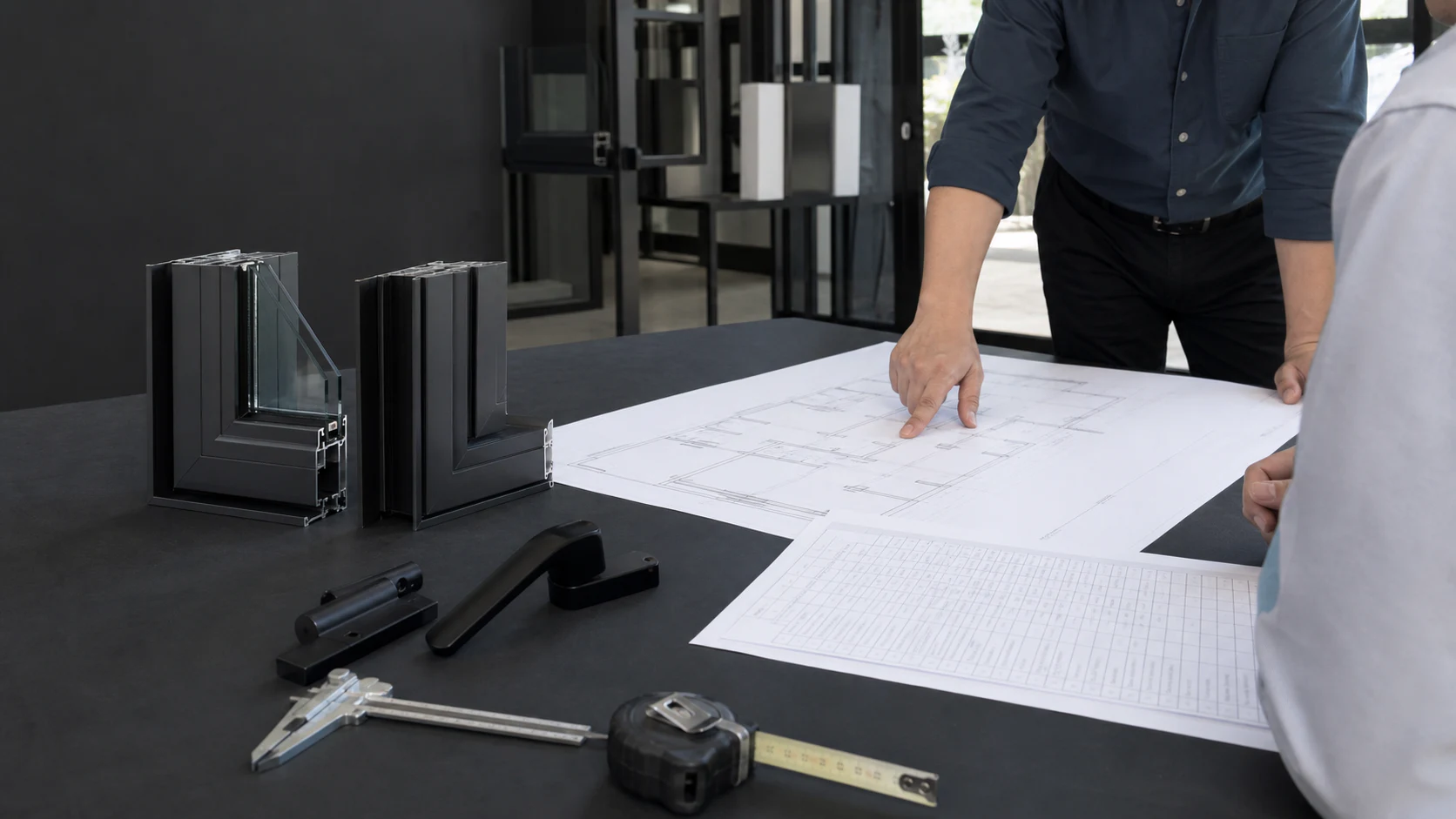
Drawings, schedules and product samples should be reviewed together before a project quote is treated as complete.
How should WERS and NCC inputs be recorded?
Australian projects often involve discussion around WERS, NCC, U-value, SHGC, glass selection and local energy assessment. A Chinese factory should not guess these targets from the words "Australia standard". The better method is to send the target values or the local consultant note if the builder already has them.
If targets are not available, describe the state, city, building type, orientation and comfort problem. A west-facing living room in Perth, a coastal renovation in Queensland and a cooler-climate home in Victoria do not need to be discussed in the same way.
Which exposure and glass notes affect quotation scope?
Glass price depends on more than thickness. Acoustic needs, safety glass, laminated glass, Low-E coating, double glazing cavity, privacy requirements, coastal exposure discussions and panel size can all change the build-up. The same 6 mm glass note can be too vague for a supplier to quote responsibly.
For a useful review, describe the room, floor height, nearby road noise, child-safety concern, balcony edge, direct sun exposure and whether the opening is protected by eaves.
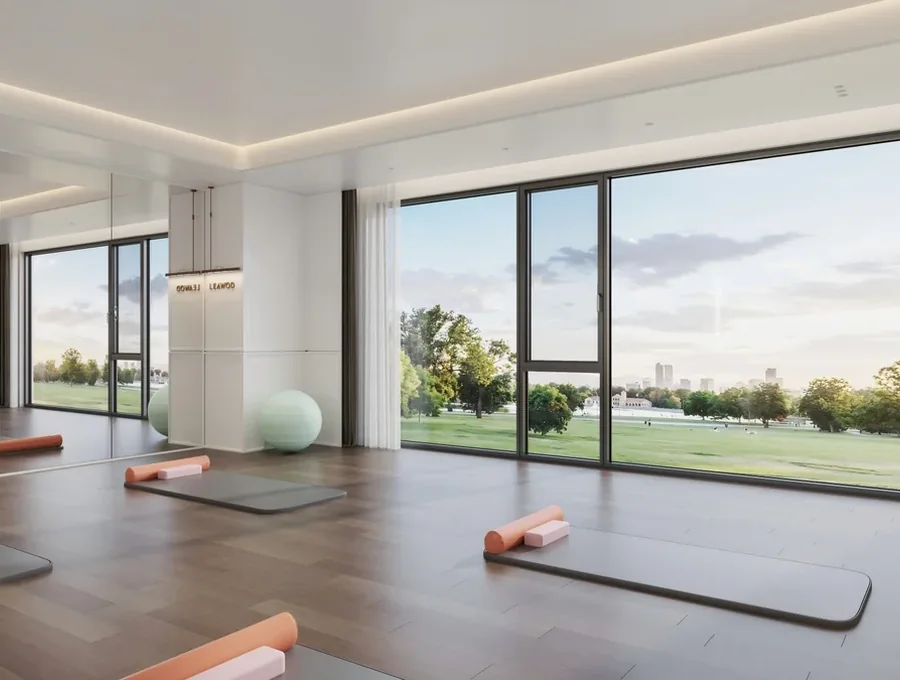
Opening type, screen, hardware and glass direction should be visible in the schedule, not added after pricing.
Who confirms the final Australian project requirements?
Australian buyers often compare quotes by frame price, but the finish and hardware package can change both cost and daily use. Powder coat colour, anodised finish, handle colour, lock type, flyscreen, sliding roller quality, folding door hinge quality and threshold style should be discussed early.
A builder may not need every detail decided before the first price, but the supplier should know whether the project is a rental package, villa renovation, coastal home or showroom-grade order.
5. Include packing and delivery scope in the first enquiry
For overseas shipments, packing is part of the product decision. Large doors, glass-heavy orders and mixed window schedules need crate planning, corner protection, labels, packing lists and loading sequence. If the goods are going to a builder, warehouse or residential site, the labels should help the receiver identify each opening quickly.
Before quotation, send the destination city, expected delivery month, whether the order ships as LCL or full container, and whether item labels should match the window schedule.

Packing labels and delivery sequence should follow the final schedule so site teams can identify every opening.
Let YULUX review your drawings before pricing.
Send us your window schedule, floor plans or photos. We review opening sizes, system direction, glass, hardware, finish and packing scope before quoting.