
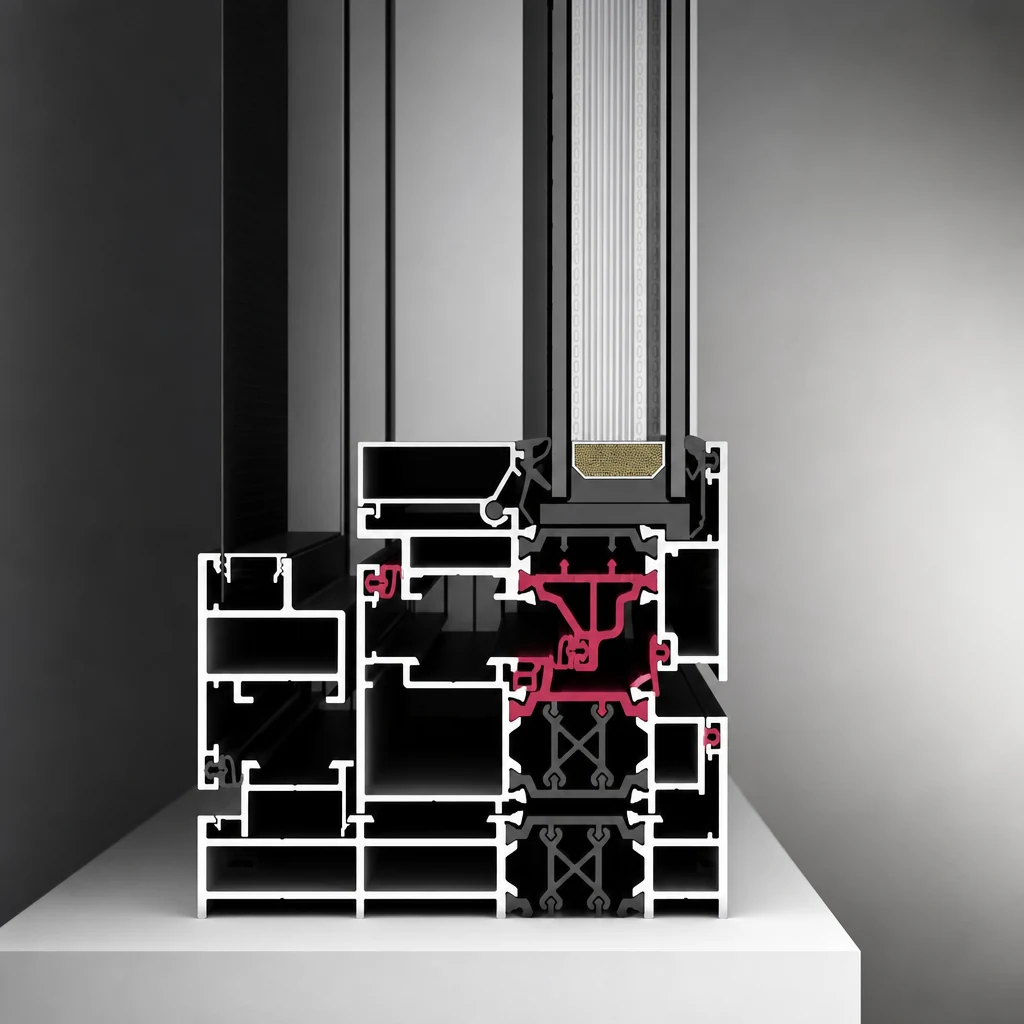
What is the difference between U-value, SHGC and Low-E in an aluminium window?
U-value measures how readily heat passes through a window assembly; lower values indicate greater resistance to heat flow. SHGC measures the proportion of solar heat admitted through the assembly and ranges from 0 to 1. Low-E is a low-emissivity coating used within a glass configuration to influence heat transfer and solar gain. The useful combination depends on climate, orientation, shading, glazing area and the project energy strategy. Buyers should distinguish glass-centre values from whole-window values that include the frame. A comparable quotation identifies the exact frame, glass layers, cavity, coating position and stated performance basis, creating a clear package for the project professional to review against the target values.
Buyer decision boundary
Do not compare values using different bases or an undefined assembly; project selection needs like-for-like basis and local confirmation.
Evidence to request or retain
- Value basis.
- Frame and glass configuration.
- Project target source.
- Location and shading.
- Labelled alternatives.
Example input: Performance comparison
- Opening group
- Value type
- Basis
- Frame
- Glazing
- Target source
- Outcome
What this guide does not confirm
Not a certified result, rating, compliance conclusion or energy prediction.
U-value, SHGC and Low-E at a glance
| Term | Meaning | Quotation check |
|---|---|---|
| U-value | Rate of heat transfer | Glass-only or whole-window basis |
| SHGC | Fraction of solar heat admitted | Climate, orientation and shading target |
| Low-E | Low-emissivity glass coating | Coating type, position and full glass make-up |
How is whole-window U-value different from glass U-value?
U-value is commonly used to discuss how much heat passes through a window assembly. Lower U-value generally means better resistance to heat flow. For aluminium windows, the frame system, glass build-up, spacer, seals and installation detail can all affect the final result.
Buyers should avoid treating U-value as a magic number from a catalogue. If a builder or assessor provides a target, send it with the window schedule.
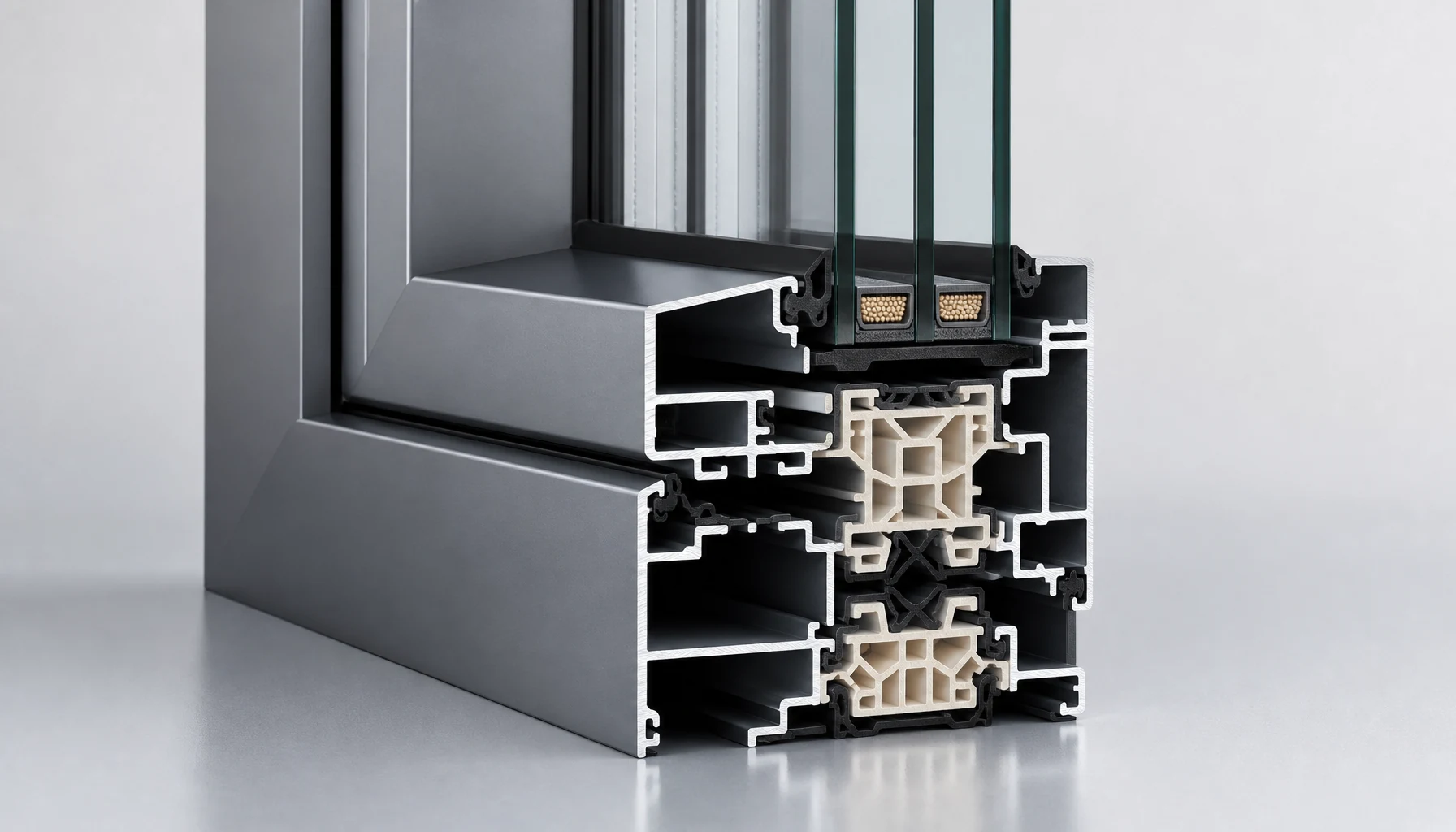
The stated performance target must be tied to a specific frame and glass build-up.
How should SHGC be selected for climate and orientation?
SHGC describes how much solar heat enters through glazing. A lower SHGC can help reduce solar heat gain in hot or exposed conditions, while some designs may want more solar gain in cooler seasons or shaded orientations. That is why orientation and shading matter.
For a supplier, the useful information is room type, orientation, climate, shading, glass area and any assessor target.
What information defines a Low-E glass configuration?
Low-E coatings can help manage heat transfer and solar gain, depending on coating type and glass build-up. But Low-E alone does not define the whole window. The buyer still needs to consider double glazing cavity, glass thickness, laminated layers, frame type, sealing and opening method.
A practical enquiry explains the climate, room, orientation and preferred glass direction instead of asking for a generic Low-E price.
Which values should appear in a comparable quotation?
Good glass cannot fix every frame decision. A thermal break frame, non-thermal frame, sliding system, casement system and lift-slide system have different sealing, drainage and profile behaviour. The frame choice should match climate, opening size, use frequency and budget.
The best discussion compares the whole window or door assembly, not glass in isolation.
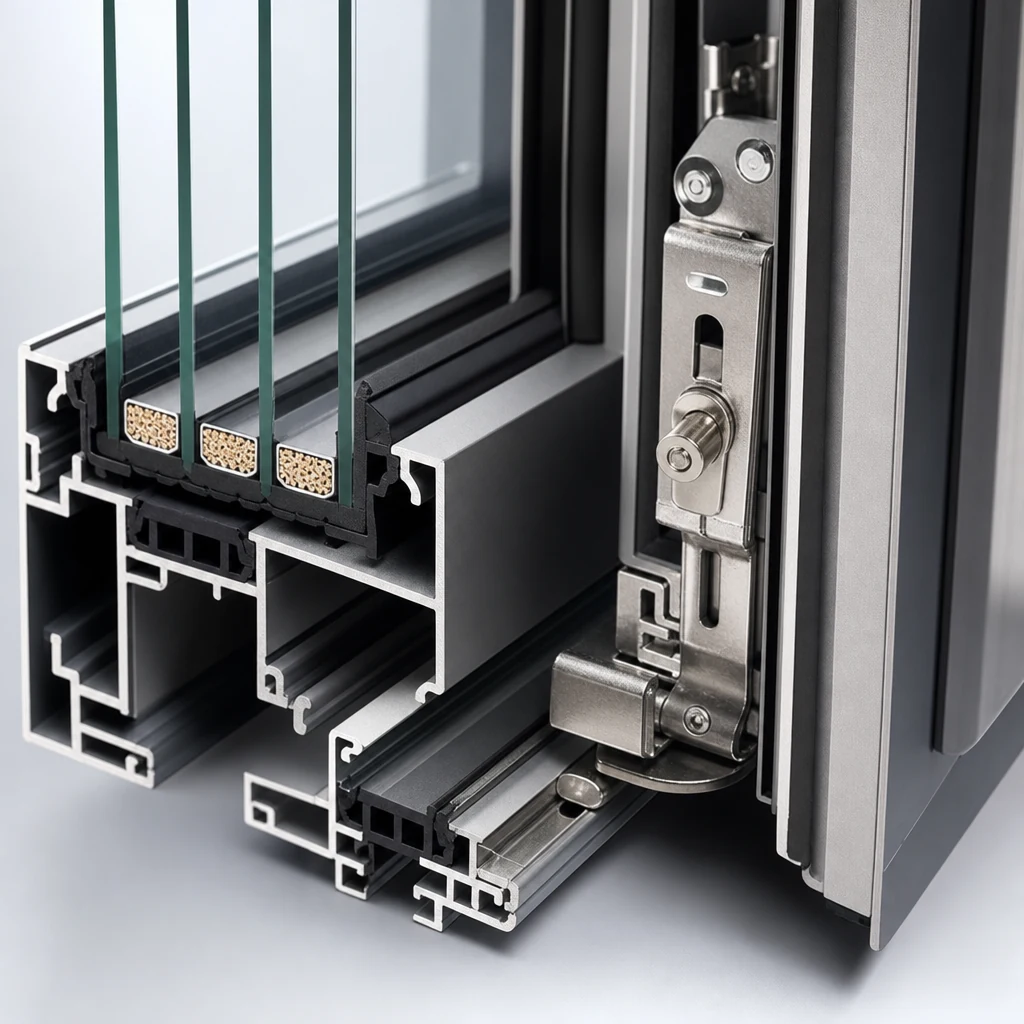
Low-E coating surface, spacer, cavity and glass thickness should be written clearly in the quote.
5. Send targets, not vague performance words
Words like "energy efficient", "high performance" and "Australia standard" are too vague for a serious quotation. A better brief includes target U-value or SHGC if available, climate zone, orientation, glass preference, opening size and whether local project professionals will review the final configuration.
This approach helps the supplier prepare a clear option list: frame direction, glass build-up, hardware, cost effect and points needing local review.
6. Turn energy terms into a quote note
The easiest way to use energy terms is to write a short quote note for each opening group. Example: "West-facing living room, large sliding door, low SHGC target, double glazing, black frame, local review required." That gives the supplier enough context without pretending every value is already final.
For mixed projects, separate hot exposed rooms from shaded bedrooms and service areas. The quote can then show where better glass or a thermal break frame is worth reviewing, instead of upgrading every item blindly.
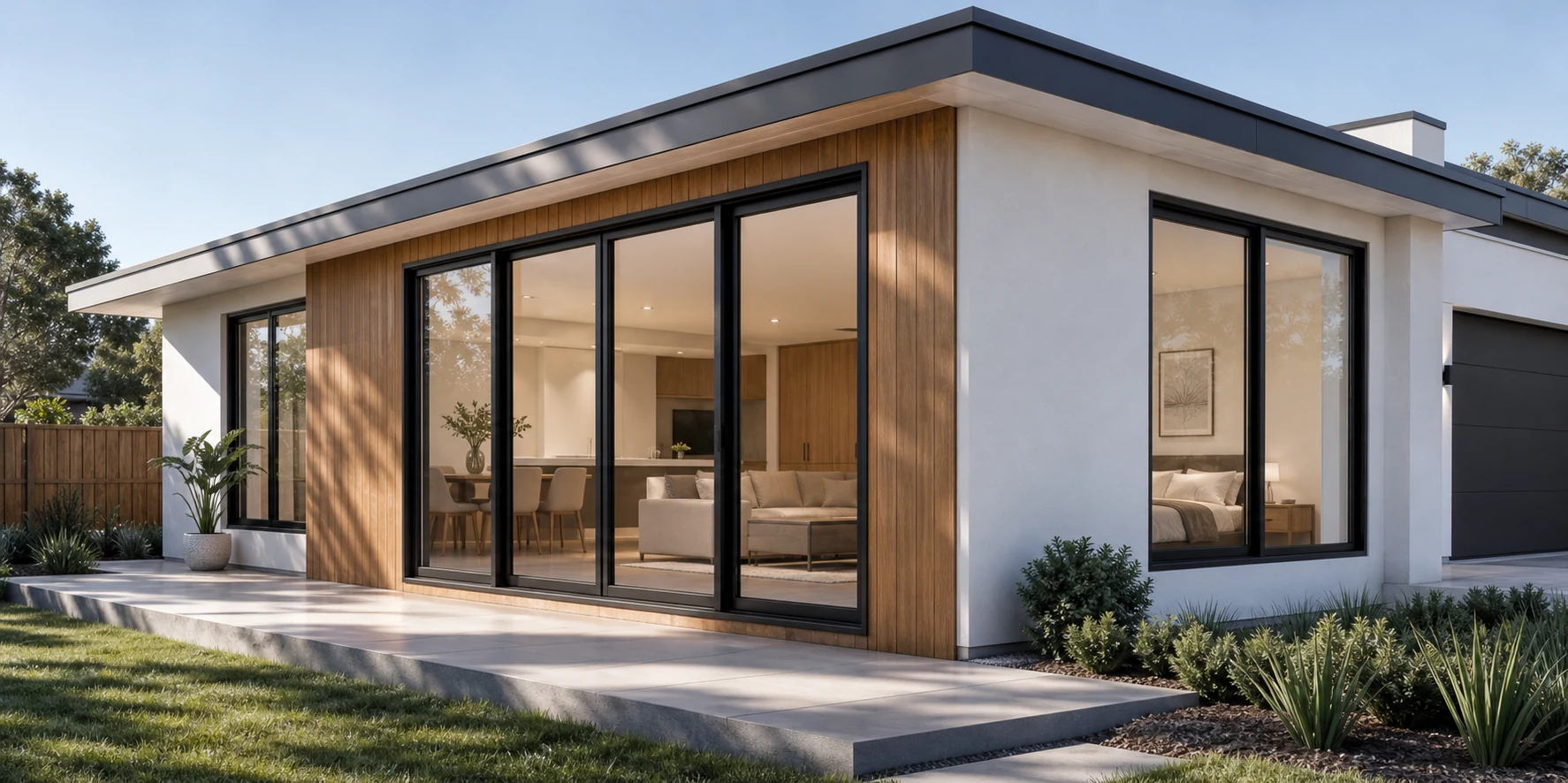
Final glass selection depends on climate, orientation, room use and glazing area, not one universal number.
7. Compare glass-centre and whole-window values on the same basis
A value stated for the centre of the glass does not describe the complete window. Whole-window performance also reflects the frame, spacer, seals, glass-to-frame proportion and the exact assembly being assessed. Two quotations are not directly comparable if one shows glass data and the other shows a whole-window result.
Ask each supplier to identify the performance basis, proposed frame and full glass build-up behind any stated value. If the project requires a particular target or assessment route, the local designer or energy assessor should confirm which whole-window value and supporting document are acceptable.
Read the supporting report alongside the quoted opening: record the document reference, test or calculation method, specimen or model size, opening type, frame system and glass build-up. Ask which quoted configurations it covers and which need further confirmation. A glass data sheet, a whole-window result and a project energy assessment answer different questions; keep their scope visible instead of copying one number across every opening.
8. Build a useful project brief before every target is final
Start with the project location, room use, orientation, shading, opening mark and size, then add any confirmed frame or glass direction. Keep confirmed requirements separate from preferences and items still open for review so the supplier can price options without presenting assumptions as final decisions.
Pass through any U-value or SHGC target supplied by the local project team without rewriting it. If no target is available yet, describe the design concern and ask for clearly labelled alternatives. The final selection and compliance review should remain with the project's local design or assessment professionals.
Let YULUX review your drawings before pricing.
Send us your window schedule, floor plans or photos. We review opening sizes, system direction, glass, hardware, finish and packing scope before quoting.